

types of glass coating
Understanding Different Types of Glass Coating Glass coating is a versatile technology that enhances the performance and aesthetics of glass surfaces. With advancements in material science, various types of coatings have been developed to cater to different applications, ranging from architectural to automotive and even consumer electronics. This article explores the main types of glass coatings, their purposes, and the benefits they offer. 1. Low-E Coatings (Low Emissivity Coatings) Low-E coatings are thin layers of metal or metallic oxides that are deposited on glass surfaces. These coatings significantly reduce the amount of infrared and ultraviolet light that can pass through the glass without compromising the visible light that enters. The primary function of Low-E glass is to improve energy efficiency by minimizing heat transfer. This type of coating is commonly used in residential and commercial buildings, helping to maintain indoor temperatures and reduce heating and cooling costs. Moreover, they contribute to sustainability by lowering the demand for energy resources. 2. Solar Control Coatings Solar control coatings are designed to reflect or absorb solar radiation, helping to reduce solar heat gain within buildings. These coatings can be applied to various types of glass and are particularly useful in regions with warm climates. By minimizing the amount of heat that penetrates through windows, solar control coatings enhance indoor comfort and can reduce reliance on air conditioning systems, leading to lower energy costs. They can also reduce glare from sunlight, improving the visual comfort of inhabitants in homes and offices. 3. Anti-Reflective Coatings Anti-reflective (AR) coatings are used to minimize the reflection of light off glass surfaces, thereby increasing light transmission and improving visibility. These coatings are particularly beneficial in applications like eyeglasses, camera lenses, and electronic displays. By allowing more light to pass through the glass, AR coatings enhance clarity and reduce eye strain. Additionally, they can provide a cleaner appearance to glass surfaces by minimizing distracting reflections, making them ideal for architectural applications where aesthetics are crucial. types of glass coating 4. Hydrophobic and Oleophobic Coatings Hydrophobic coatings repel water, causing it to bead up and roll off the glass surface. This feature is particularly useful for automotive and architectural glass, as it helps maintain visibility during rain and reduces the need for frequent cleaning. Oleophobic coatings, on the other hand, resist oil and grease, making it easier to clean surfaces that are prone to smudging. These coatings are commonly found on smartphone screens, tablets, and cameras, enhancing the user experience by keeping screens clear and easy to maintain. 5. Scratch-Resistant Coatings Scratch-resistant coatings are applied to glass surfaces to protect them from scratches and abrasions. These coatings enhance the durability of glass used in high-traffic areas or situations where it may be prone to wear and tear. Scratch-resistant coatings are critical in various applications, including mobile devices, wearables, and any glass that requires high optical clarity without compromising on strength and resistance to damage. 6. Decorative Coatings Decorative glass coatings are used to enhance the visual appeal of glass surfaces. These can include colored coatings, frosted finishes, or patterned designs. Such coatings are widely used in architectural glass applications, creating stylish facades, privacy screens, and decorative glass partitions. This type of coating allows designers and architects to create unique environments while also providing functional benefits like privacy and shading. Conclusion The diversity of glass coatings available today reflects the wide range of applications and demands in modern society. From enhancing energy efficiency and reducing glare to improving aesthetics and durability, these coatings significantly contribute to the functionality of glass in our daily lives. As technology continues to evolve, we can expect even more innovative glass coating solutions to emerge, further advancing the capabilities of this essential material. Understanding the different types of glass coatings can help consumers and professionals make informed decisions that align with their needs and preferences, ultimately leading to enhanced performance and satisfaction.

-
led rectangle mirror
led rectangle mirror
View Details -
cutting toughened glass
cutting toughened glass
View Details -
toughened float glass
toughened float glass
View Details -

large glass mirror no frame
large glass mirror no frame
View Details -

12mm frosted toughened glass price
12mm frosted toughened glass price
View Details
Our application
-
 read more
 -
 read more
 -
 read more
 -
 read more
 -
 read more
 -
 read more
news and information
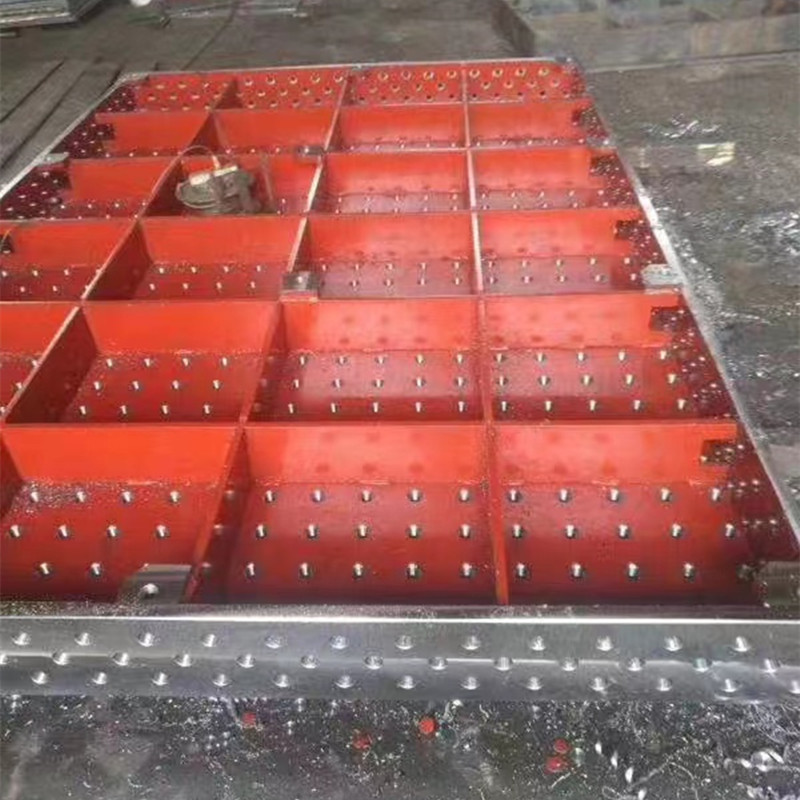
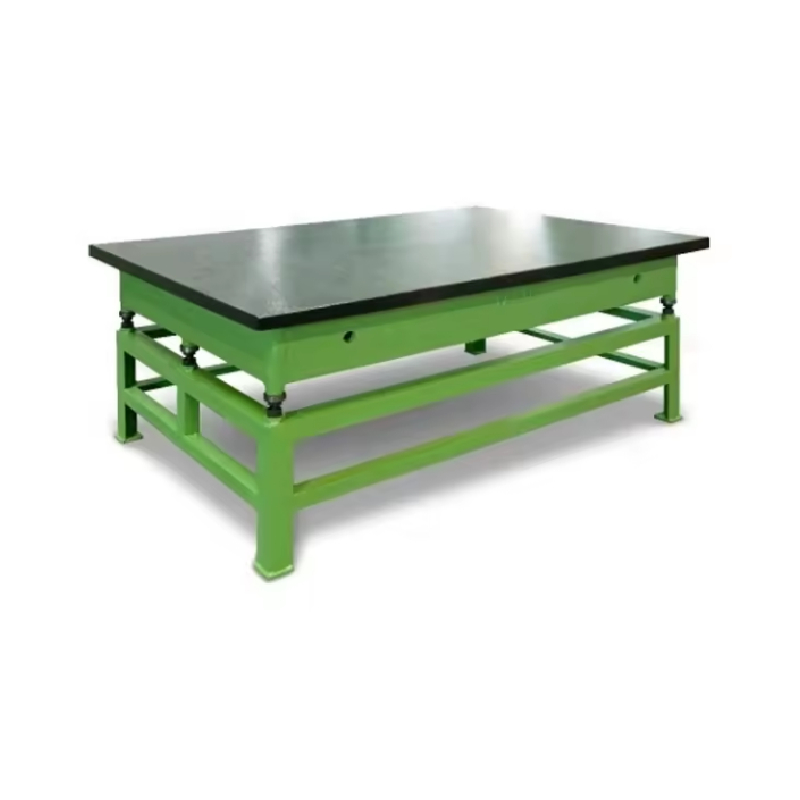
Versatile Workbench for Efficient Welding and Metalworking Projects
The Importance of Welding Tables in Metalworking Welding is a critical process in various industries

vertical y strainer
Vertical Y strainers are an indispensable component in the fluid processing and piping systems used
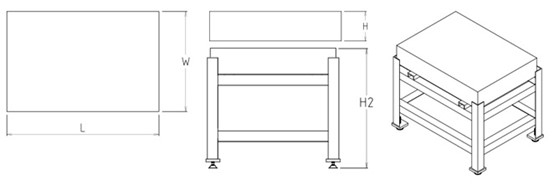
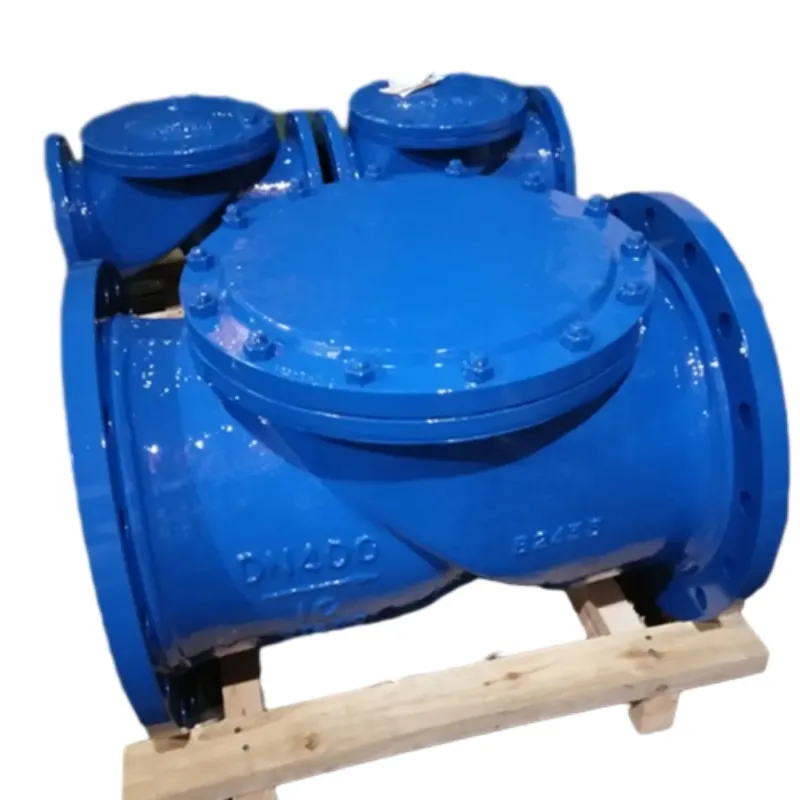
Water Pressure Regulation Using Check Valves for Efficient System Performance
Water Pressure Check Valves Importance, Functionality, and Maintenance Water pressure check valves a